Automation
Modernizing control without stopping operations: how it’s done
How to migrate obsolete PLCs, DCS and SCADA in phases, with FAT and SAT testing and a rollback plan, without losing production hours.
Ingedaca 2 min read
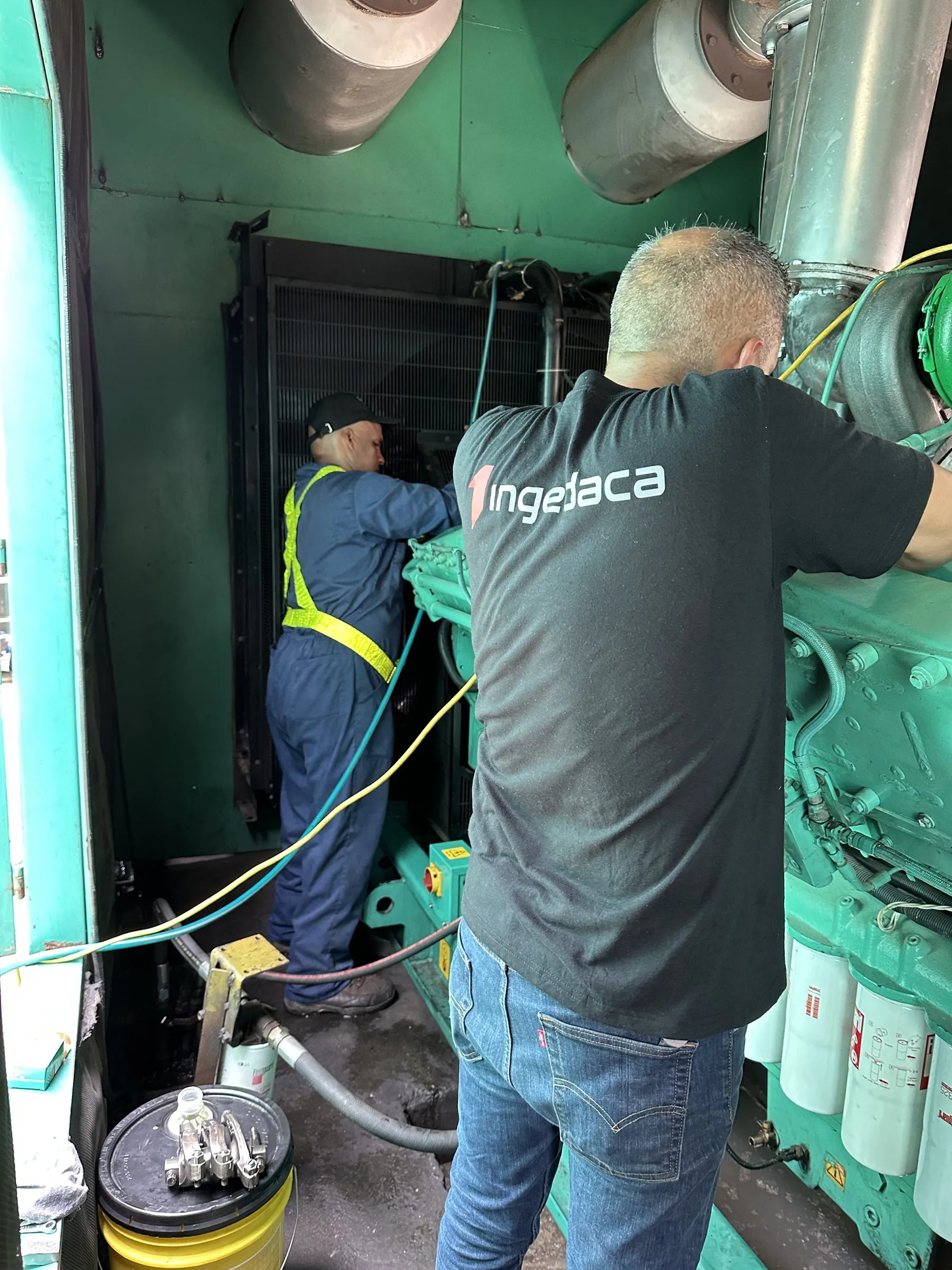
Almost every operation has a control system that works but no longer has vendor support: a discontinued PLC, a DCS whose spare parts are only found second-hand, a SCADA running on a computer nobody dares to restart. Everyone knows it has to be replaced. Nobody wants to be the one who stops the plant to do it.
The good news is that you don’t have to stop it. A well-planned migration is done in phases, with operations running.
Why it doesn’t pay to wait
Obsolete control doesn’t warn you before it fails. When it fails, the problem is no longer the cost of new equipment but the days of downtime while a spare part is found or an emergency replacement is programmed. That old control system is also what prevents you from connecting operational data, applying AI or meeting today’s cybersecurity requirements.
Five keys to a migration without downtime
1. Inventory and risk. Before changing anything, every controller, network, interface and signal is surveyed, with its support status and criticality. That defines what to migrate first: what carries the highest downtime risk, not what is easiest.
2. Target architecture. You design where you are going: control platform, networks, OT cybersecurity and data connectivity. Each migration phase brings the facility closer to that architecture, instead of replacing an old device with another isolated one.
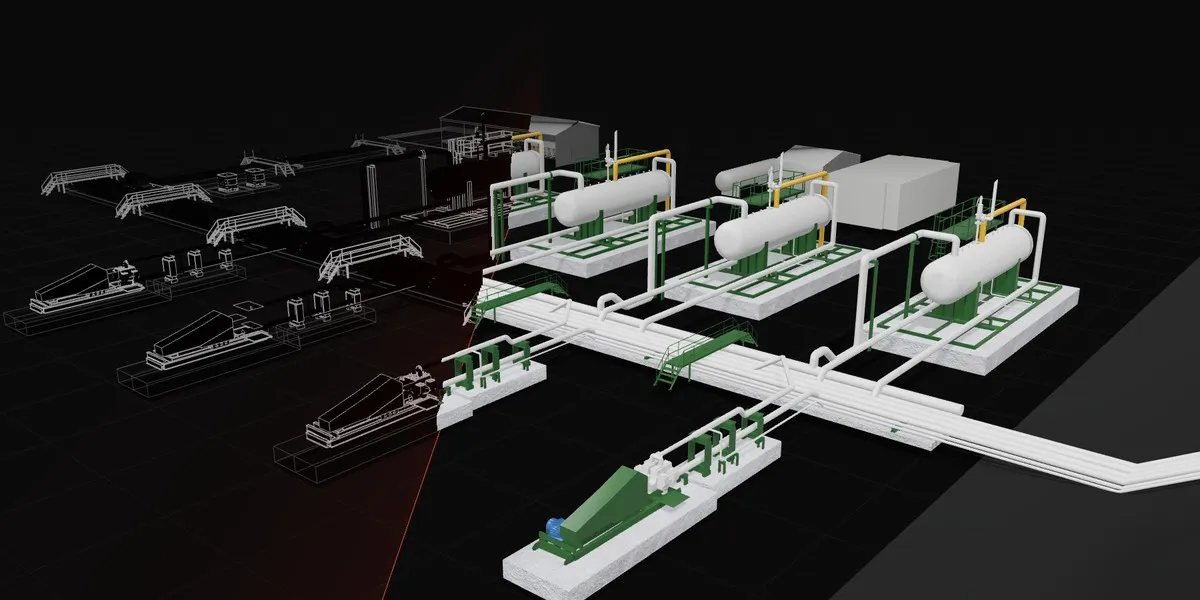
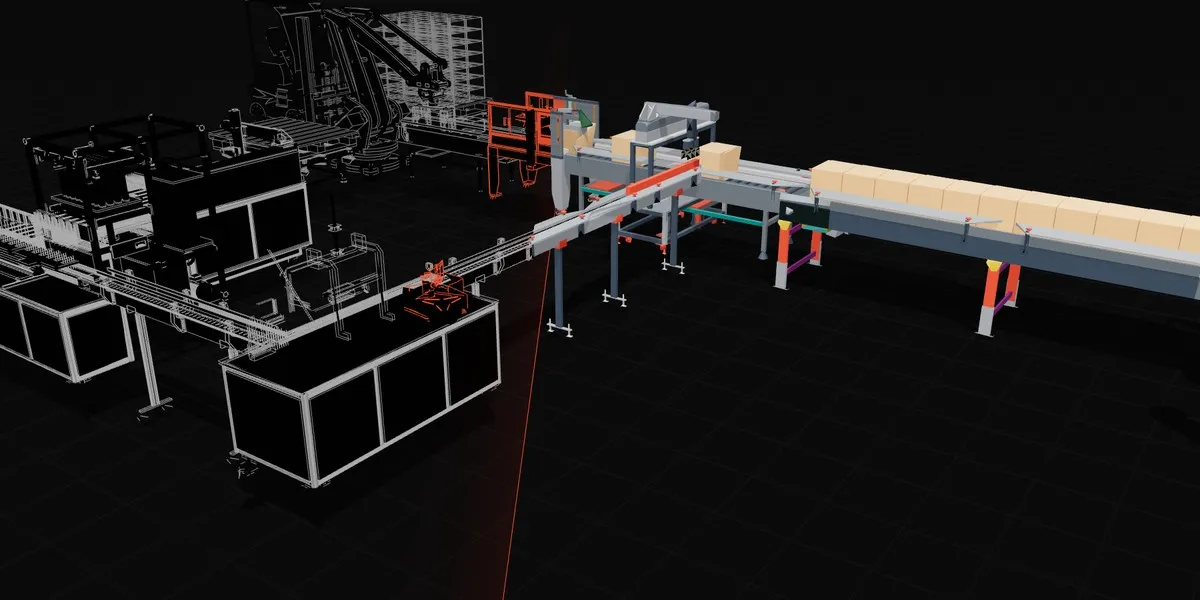
3. Program and test away from the plant. The logic is converted and fully tested at the factory (FAT), with process simulation. When the equipment arrives on site, the surprises have already been solved.
4. Short cutovers and a rollback plan. The change is carried out area by area, in maintenance windows or in parallel with the existing system. Each cutover has a rollback plan: if something doesn’t respond, you return to the previous system in minutes.
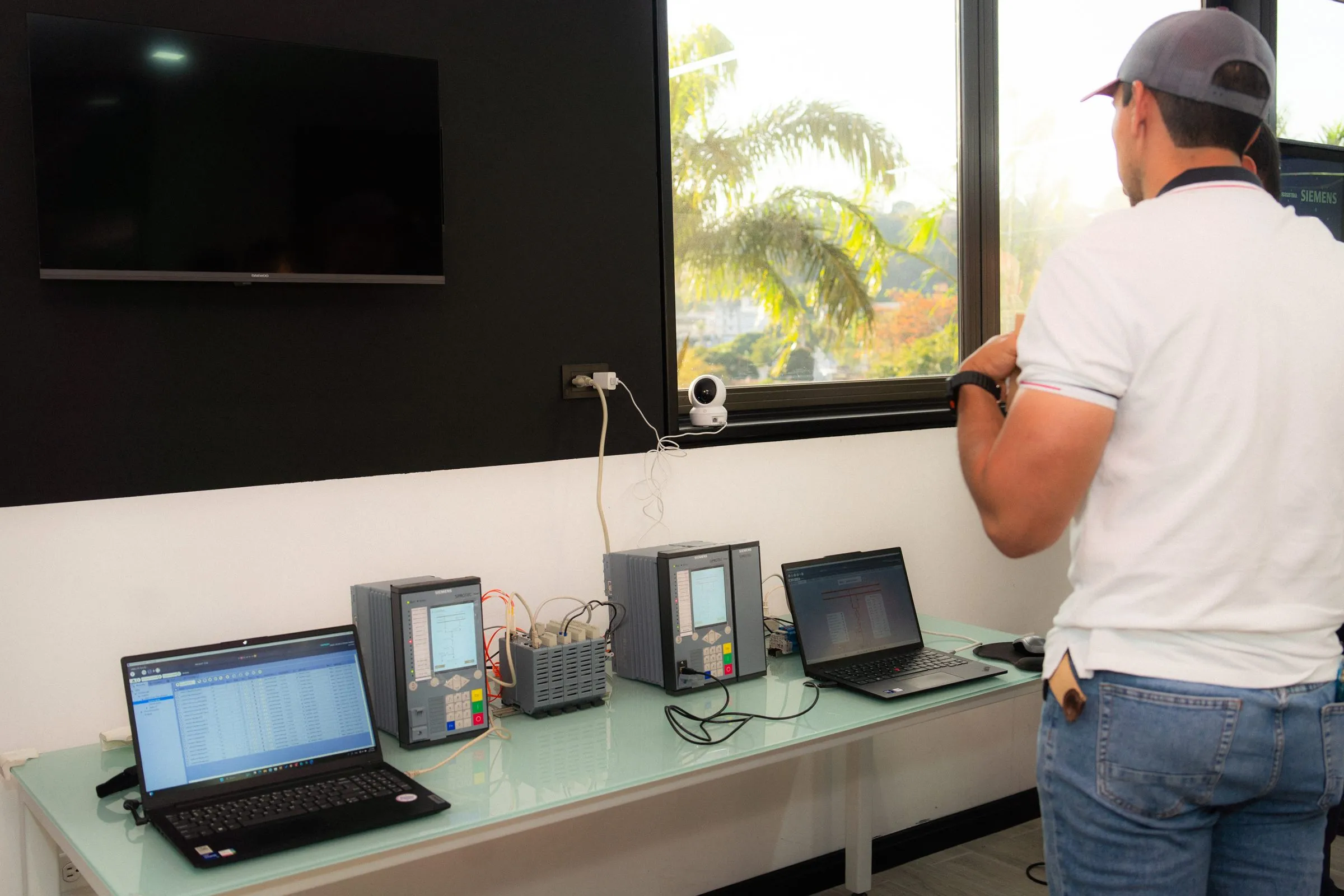
5. Verify signal by signal. On site (SAT), every input, output, alarm and interlock is checked before the area is handed over to operations. And the plant team is trained on the new platform before start-up, not after.
What you gain beyond new equipment
- Lower downtime risk from the first phase.
- Data available for dashboards, condition-based maintenance and AI.
- A single technical standard, which simplifies spare parts, training and future expansions.
- OT cybersecurity designed from the start, not added later.
And robots and AI?
With modern control, adding robotic cells, machine vision or AI models stops being a separate project: they plug into the same architecture, with the same data and the same standard.
How we do it at Ingedaca
In Automation and control we design, program and migrate control and instrumentation from any manufacturer, in phases, with FAT and SAT testing and without stopping operations. Our Future Proof solution adds the obsolescence audit, the target architecture and the phased plan.
To find out what each hour of downtime costs you today, use our calculator.
- #automation
- #control migration
- #obsolescence
- #PLC