Engineering
Digital twin: what it is, what it isn’t and where to start
The difference between a 3D model and a digital twin, what it takes to build one and four uses that already create value in operations.
Ingedaca 2 min read
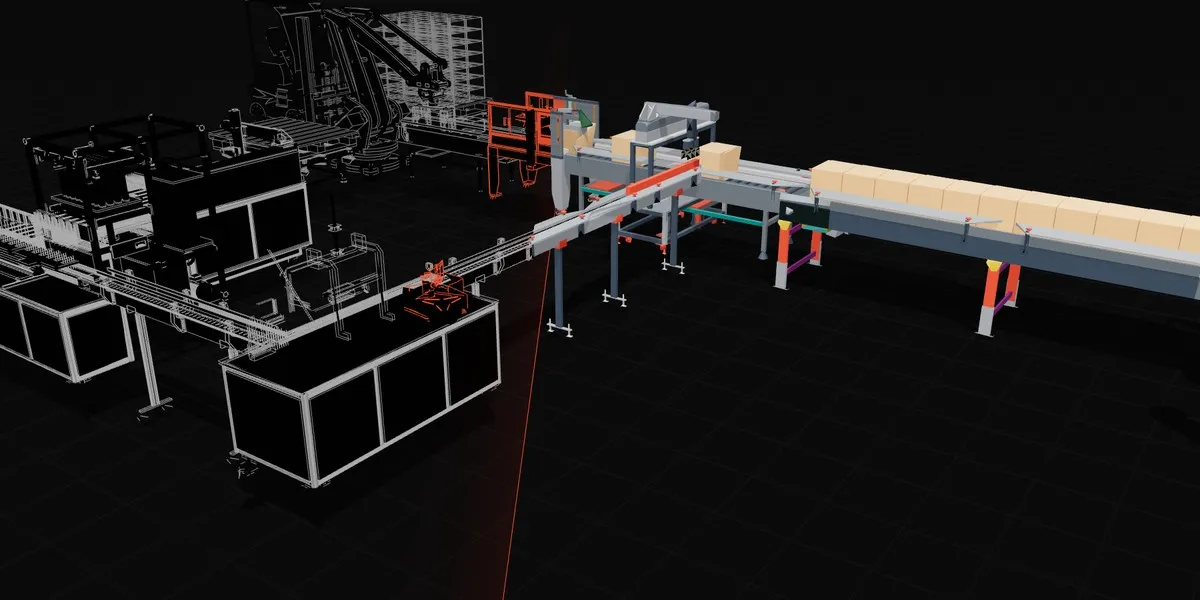
Few terms are used as much, and with as many meanings, as digital twin. For some it is a nice render; for others, a platform that costs millions and takes years. In practice it sits in between, and it is built in stages.
What it is
A digital twin is a faithful digital model of a facility, connected to the real data of its operation, that lets you see what is happening, test changes and anticipate problems before intervening in the physical world.
It has three layers:
- The model: the real geometry of the facility, captured with laser scanners and drones, turned into an as-built or BIM model.
- The data: control and operational variables (pressures, temperatures, states, production) linked to each piece of equipment in the model.
- The intelligence: simulation and AI to answer “what if…?” questions.
What it isn’t
- It isn’t just a 3D model. A model without data is an excellent starting point, but it isn’t a twin yet.
- It isn’t a dashboard. A dashboard shows figures; the twin places them on the equipment and in space, and lets you simulate.
- It doesn’t have to cover the whole plant on day one. The sensible approach is to start with one critical area or process.
Where to start
First, the as-built digital model. It is the foundation for everything and creates value on its own: reliable drawings, remote engineering, fewer site visits and fewer mistakes in expansions.
Then, connect the data of the critical area. Control, historian and CMMS for that area are integrated, with a data model that gives each variable context.
Next, the first use case. Just one, with a measurable goal.
Four uses that already create value
- Planning changes and shutdowns: test an expansion or a maintenance sequence in the model before carrying it out in the field.
- Training the team: practice procedures on the virtual facility, with no risk and without stopping operations.
- Anticipating failures: see condition monitoring alerts and history right on the equipment.
- Coordinating remotely: engineering, operations and suppliers review the same thing from anywhere, even in mixed reality.
See it in action
We prepared a 3D tour of three sample facilities: an oil and gas production facility, a manufacturing line and a smart building. You can view it in the browser or in augmented reality on your table.
How we do it at Ingedaca
Our Digital Twin solution starts from the as-built model, connects it to control and operational data, and adds simulation and AI. What you will do tomorrow in operations, tested today in the model.
- #digital twin
- #digital model
- #laser scanning
- #simulation