Engineering
Condition-based maintenance: how to stop reacting to failures
What condition-based maintenance is, what to measure on your critical equipment and how to move from repairing failures to anticipating them in five steps.
Ingedaca 2 min read
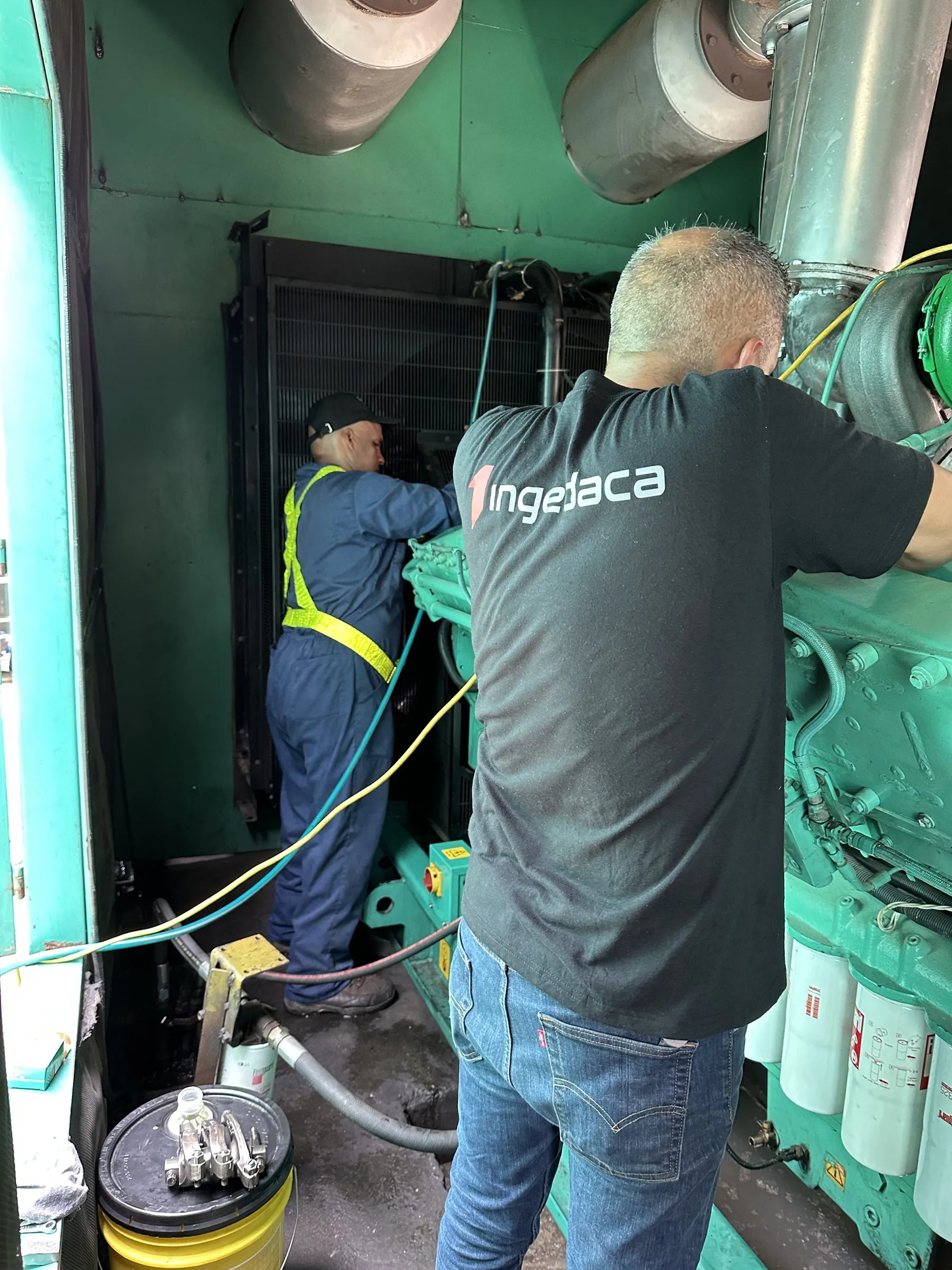
In many operations maintenance follows two paths: calendar-based preventive work, which replaces parts that were still fine, and corrective work, which arrives once the equipment has already stopped. Between the two, money is lost both ways: on parts and hours that weren’t needed, and on stoppages nobody saw coming.
Condition-based maintenance proposes a different rule: service equipment when its measurements show it needs it. Not before, not after.
What to measure
Each type of failure leaves signals before it happens. The most useful in industry are:
- Vibration in motors, pumps, fans and gearboxes: it detects imbalance, misalignment and bearing wear weeks before failure.
- Temperature, through sensors or thermography: it reveals overloads, loose connections and lubrication problems.
- Current and electrical variables: they show changes in motor load and winding faults.
- Process variables already available in the control system: pressures, flows and cycle times that drift from normal.
Five steps to get started
1. Rank your assets by criticality. Not everything needs monitoring. Start with the equipment whose failure stops production, puts safety at risk or costs the most to repair.
2. Put the CMMS to work. Without a maintenance management system with work orders and history per asset, there is no way to measure whether the change works. Many companies already have one and only half use it.
3. Instrument what is critical. Wireless vibration and temperature sensors, or measurement routes with portable devices, depending on the case. What matters is measuring consistently so you can compare over time.
4. Set alerts that someone acts on. A threshold without an owner is noise. Every alert should create a work order with a priority and a clear deadline.
5. Eliminate recurring failures. Monitoring warns you; root cause analysis solves the problem. If a bearing fails every three months, the bearing isn’t the problem.
What about AI?
Once there is reliable data and a failure history, predictive models estimate when equipment will fail and help schedule the work for the most convenient shutdown. But AI doesn’t replace the previous steps: without criticality, a CMMS and consistent measurements, it has nothing to learn from.
How to know it works
Three indicators are enough to start: the mean time between failures (MTBF) of critical equipment, the number of unplanned stoppages per month and maintenance cost per unit produced. To put a number on what each stoppage costs you today, use our downtime cost calculator.
How we do it at Ingedaca
Our Asset Health solution brings together criticality, a working CMMS, condition monitoring, alerts, predictive models and reliability analysis. The result is fewer unplanned stoppages and a maintenance cost you can measure and reduce.
- #maintenance
- #reliability
- #CMMS
- #condition monitoring