Automation
AI and robotics: advancing automation and human-robot collaboration
How AI takes robots beyond repetitive tasks, what cobots bring to the floor, and what to consider to implement them successfully.
Ingedaca Updated 2 min read
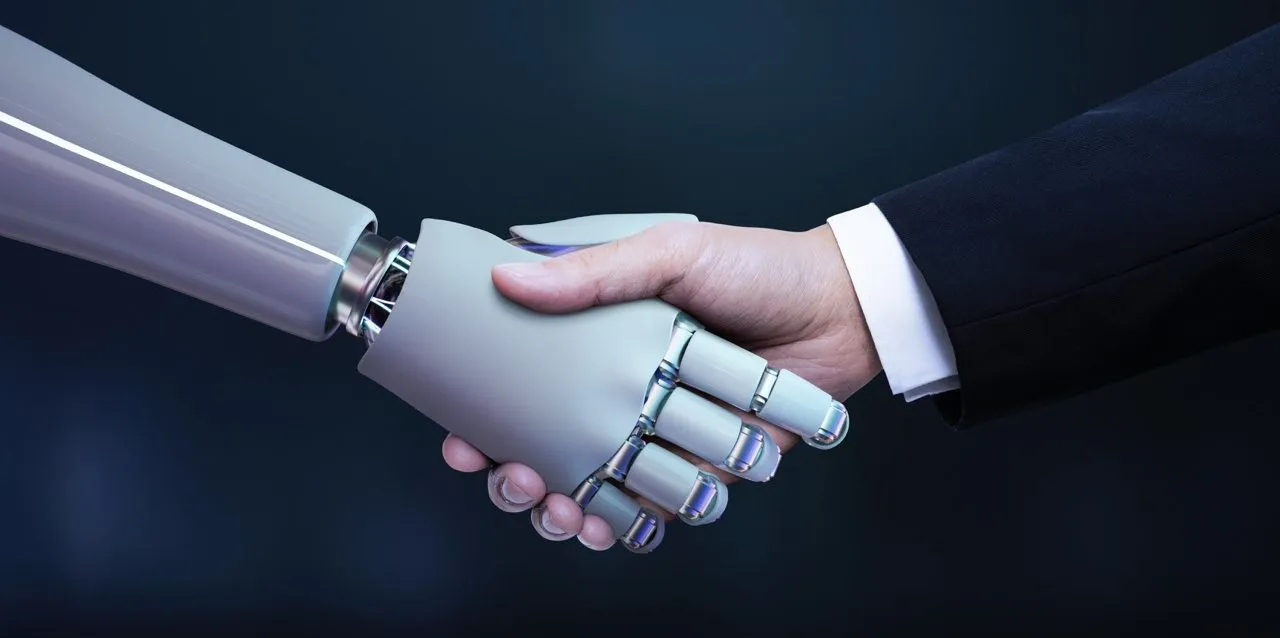
In an era where efficiency, precision, and innovation define business success, the integration of artificial intelligence (AI) and robotics has become a game changer. This combination is not just transforming industries by automating processes; it’s also enhancing human-robot collaboration, unlocking new possibilities for productivity and growth. At Ingedaca, we believe in harnessing these technologies to create smarter, more connected operations.
The power of AI in robotics
AI empowers robots to move beyond repetitive tasks, enabling them to adapt, learn, and make decisions in real time. With AI, robots can process vast amounts of data, recognize patterns, and respond intelligently to dynamic environments. This evolution allows industries to implement flexible automation rather than static, pre-programmed routines.
Example: AI-powered robots in manufacturing can detect defects in real time, preventing costly mistakes and ensuring higher product quality.
Enhancing human-robot collaboration
Instead of replacing human workers, modern AI-driven robots are designed to complement human capabilities. Collaborative robots, or cobots, work alongside people to perform tasks that require precision, strength, or repetition, while people handle complex decision-making and creative problem-solving.
Benefits of human-robot collaboration
- Increased workplace safety by automating hazardous tasks.
- Improved efficiency and accuracy in production lines.
- Reduced downtime and human error.
Key applications across industries
AI and robotics are making waves in many sectors:
- Manufacturing: smart robotic arms for assembly and quality control.
- Healthcare: AI-driven robotic assistants for surgery and rehabilitation.
- Logistics: autonomous vehicles and drones for faster, more efficient deliveries.
- Construction: robots for site inspection and automated machinery that streamlines operations.
Overcoming implementation challenges
While the potential is vast, implementing AI and robotics requires addressing challenges such as system integration, cybersecurity, and workforce adaptation. A strategic approach ensures a seamless transition by:
- Conducting risk assessments.
- Training employees to work with new systems.
- Implementing robust security measures to protect data and operations.
The future of human-robot collaboration
As AI technologies evolve, human-robot collaboration will become even more intuitive and seamless. Future developments will focus on more advanced machine learning algorithms, improved natural language processing, and adaptive robots that can work safely and efficiently in complex, unstructured environments.
Conclusion
The convergence of AI and robotics is reshaping the way businesses operate, paving the way for smarter automation and closer human-robot partnerships. By embracing these innovations, companies can boost productivity, enhance safety, and stay competitive in a rapidly changing market.
At Ingedaca, we guide businesses through this transformation, helping them adopt AI and robotics solutions that deliver tangible results.
Ready to embrace the future of automation? Get in touch to learn how we can help you implement AI and robotics solutions tailored to your business needs.
- #robotics
- #cobots
- #automation
- #artificial intelligence